
Peace Enabled Cultural Flowering in Kyoto’s Kan-ei Era; Nijo Castle, Ninnaji Temple Reflect an Age of Beauty
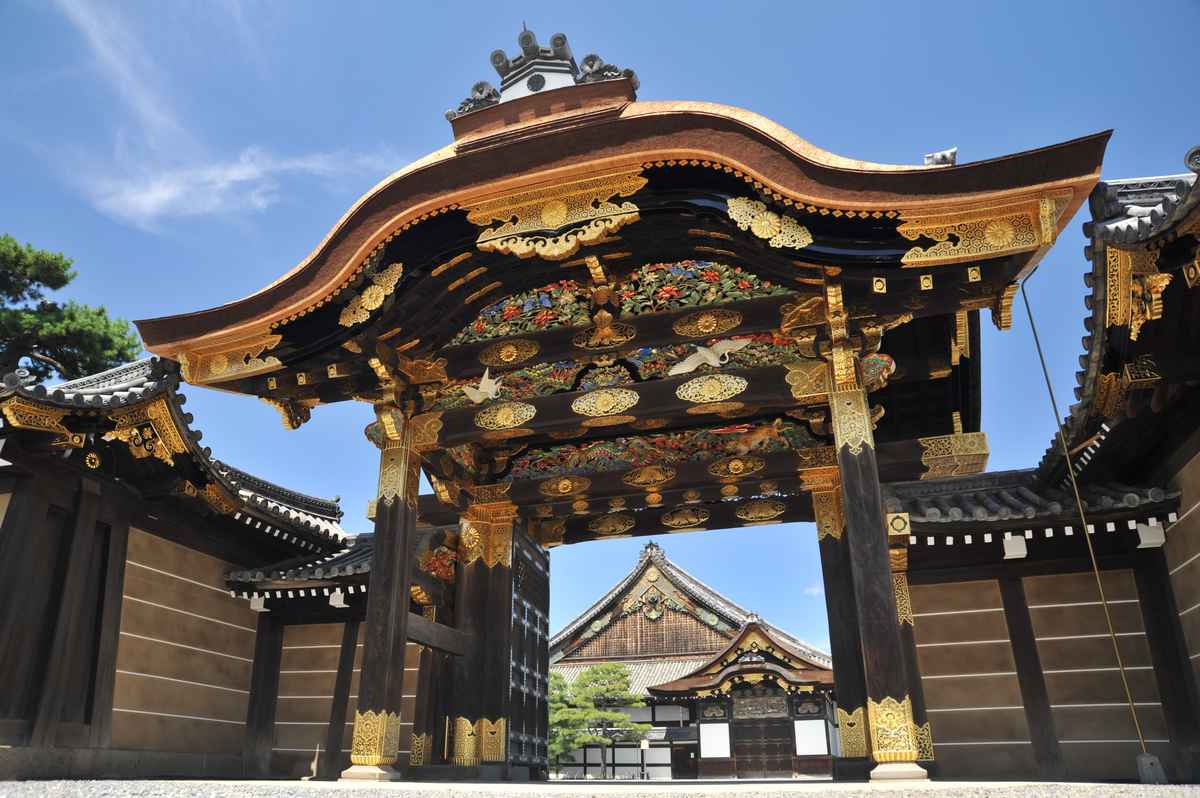
Karamon gate of Nijo Castle
9:00 JST, February 8, 2025
Kyoto first became Japan’s capital in the eighth century. With its beautiful temples, philosophical gardens and elegant palaces, this ancient city truly embodies Japan’s long history. As I walked among its wonders on a visit this autumn, I discovered anew a major theme of Kyoto’s deep history — the priority it has traditionally placed on appreciation of culture over materialistic benefits.
In 2026, Kyoto will mark the 400th anniversary of the Kan-ei Emperor’s visit to Nijo Castle, reinforcing the depth and beauty of the city and its spiritual place in Japan. The Kyoto prefectural government is planning to use the opportunity to conduct several events to illustrate that important cultural era.
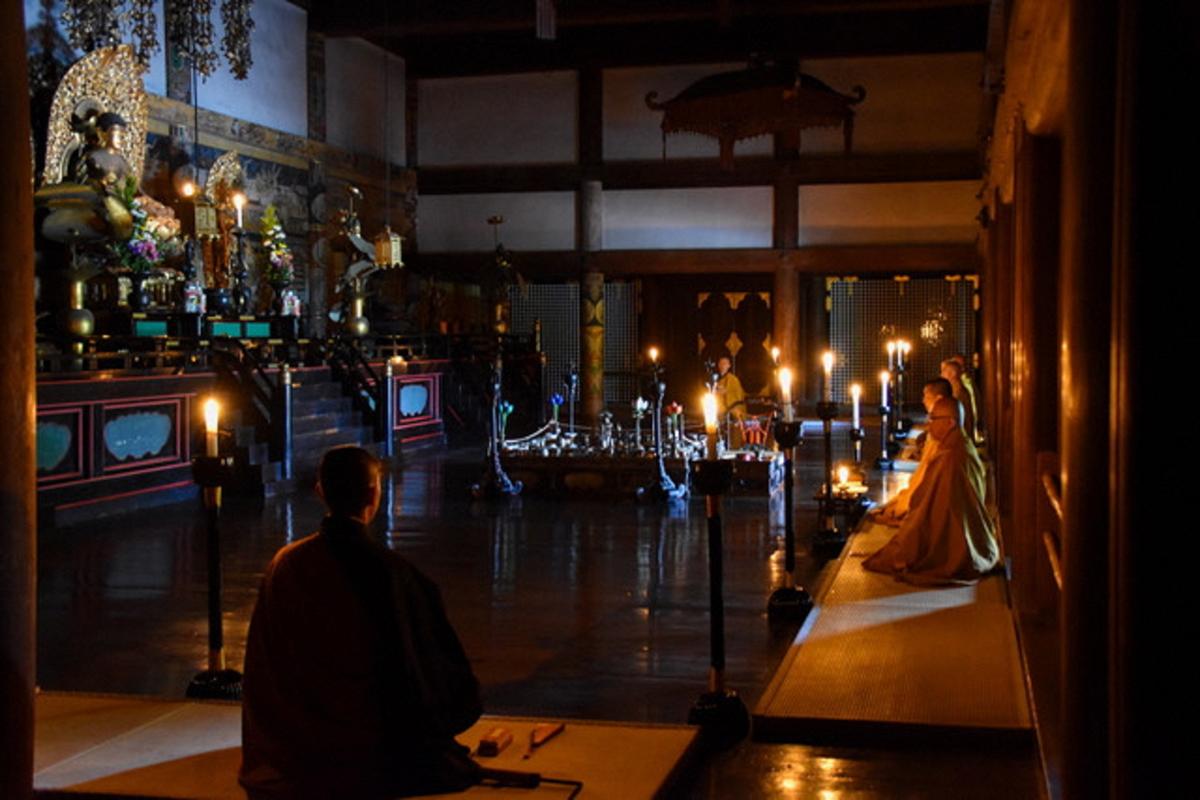
Interior of Ninnaji temple’s Kondo main hall
The 1624-44 Kan-ei era is also known as the “Great Peace,” a time when Japan was united under the Tokugawa shogunate. Research indicates that with the battles among rival warlords finally in the past, there was a blossoming of freedom for the public. The result was that the Kan-ei era welcomed many artists, painters and writers whose creativity greatly refined traditional culture.
The shogunate, based in Edo (now Tokyo) maintained a close relationship with the Emperor in Kyoto, further nurturing the cultural flourishing of the time. Under the shogun’s lavish patronage, Kyoto’s culture blossomed. Innovations in the arts, flower arrangement traditions and even rituals and ceremonies emerged in honor of the partnership.
An important case in point is Kyoto’s Nijo Castle. Built under the first Tokugawa shogun, Ieyasu, in 1603, it was renovated and enlarged beginning in 1624 by the third shogun, Iemitsu, together with Hidetada, the second shogun, who was still influential. The castle represents the time when art was developed in service of the finest hospitality as the castle served as a meeting place where the shogun hosted the Emperor. Today it is a UNESCO World Heritage site.

Ryokakutei Teahouse at Ninnaji temple
Among the major enhancements in the palace is the adornment of the Karamon gate. A thick cypress bark roof contains intricately crafted gold and colored carvings of cranes, pine, bamboo and plum blossoms, all symbolizing longevity. The soft shape of the roof also evokes Kyoto’s era of peace. In contrast to the sharp linear lines of most Japanese castles fortified for battle, Nijo Castle’s appearance is less imposing. The roof of the main gate, for example, has a wave-like flowing design depicting a welcome or lack of threat. Inside, there are rooms with gold-leaf sliding doors and paintings by artists.
Indeed, Kan-ei artists prospered under the sponsorship of rich tradesmen and the aristocracy. The artistic flowering of the time also invigorated the role of temples and traditional rituals to accommodate the appearances of the Emperor before the public.
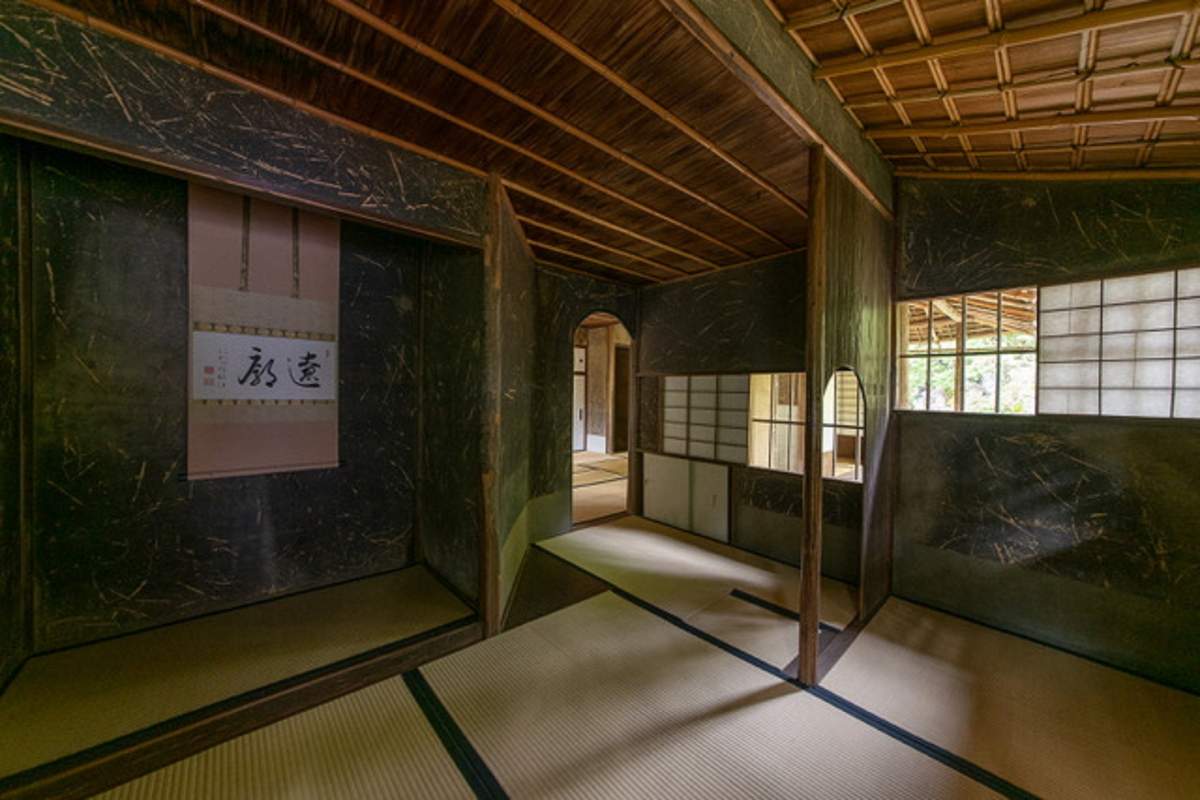
Interior of Ryokakutei at Ninnaji temple
The esoteric Buddhist Ninnaji temple, with its history of close ties to the Imperial family, showcases this emerging culture. Also now a World Heritage site, the temple conducts a festival that was first launched in the Kondo main hall to welcome the Emperor, who would meet the local monks. In addition, there are two teahouses in the Japanese garden that were formerly used by artists to meet their patrons or for cultural exchanges.
“We view the 2026 commemoration as an opportunity to review Japan’s past legacy of peace, especially in the fostering of arts and culture,” said Kazuhisa Umehara, Director of Kyoto Prefecture Cultural Policy Office.

Suvendrini Kakuchi
Suvendrini Kakuchi, the Japan correspondent for University World News, is a Sri Lankan journalist who has been based in Tokyo for three decades. She covers Japan-Asia relations and sustainability issues focusing on minorities, education and the environment.






Most Read
Most read in the last 24 hours
-
Body Found in Nantan, Kyoto Prefecture, During Search for 11-Year...
-
55 Measles Cases Confirmed in Tokyo in Month to Date
-

AI Development Firm Established to Develop Japanese 1-Trillion-Pa...
-
Police in Japan’s Aichi Prefecture Find Bodies of Girl, Woman Aft...
-

Emergency Shelters: What Should Be Done to Increase Designated Un...
-

10-Meter-Wide Sinkhole Appears in Japan’s Kanazawa
-
Japanese Prime Minister Takaichi Speaks to Pakistani Prime Minist...
-

Yokohama’s Green x Expo 2027 Faces Challenges of Increasing Const...
Most read in the last 7 days
-

Cherry Blossoms, Rapeseed Flowers Perform Colorful ‘Duet’ in Niig...
-
Police Find Child's Shoe During Search for Missing Boy in Nantan,...
-
Body Found in Nantan, Kyoto Prefecture, During Search for 11-Year...
-

Two Women in Osaka Found Lying on Floor Bleeding, Later Pronounce...
-
Trekkers on Trail in Japan's Nagasaki Pref. Enjoy Spring Scenery ...
-

Tunnel Collapses at Hokkaido Shinkansen Extension Construction Si...
-
Garyu Cherry Blossoms Peak in Japan’s Gifu Prefecture, 10 Days Ea...
-
Tokaido Shinkansen Operations Resume after Person Entering Tracks...
Most read in the last 30 days
-
Mathematician Heisuke Hironaka, Winner of Fields Medal, Dies at 9...
-
Cherry Blossoms, Rapeseed Flowers Perform Colorful ‘Duet’ in Niig...
-
Police Find Child's Shoe During Search for Missing Boy in Nantan,...
-
New Bird Species Confirmed in Japan for 1st Time in 45 Years, Fou...
-
Body Found in Nantan, Kyoto Prefecture, During Search for 11-Year...
-
Nori Prices Surge in Japan Due to Poor Seaweed Production Amid Ri...
-

Nuclear Fusion Reactor Completion Targeted for 2038; Developer Ai...
-
Avalanches Hit Backcountry Skiers, Snowboarders in Hokkaido; Fore...
Top Articles in Editorial & Columns
-
Ceasefire in Iran: Make This a Step toward Completely Ending Strikes
-

Can Japan Maintain Role as Bridge Between U.S. and Iran? Takaichi’s Diplomacy to Be Tested
-
2nd Half of Diet Session: Take Urgent Measures to Overcome Crisis in Middle East
-
Emergency Shelters: What Should Be Done to Increase Designated Underground Facilities?
-

China’s Industrial Offensive into ASEAN Markets Reshaping Market Landscape as Lower Prices Create Barriers for Local Firms to Enter Markets
JN ACCESS RANKING
-
Mathematician Heisuke Hironaka, Winner of Fields Medal, Dies at 94
-
Cherry Blossoms, Rapeseed Flowers Perform Colorful ‘Duet’ in Niigata
-
Police Find Child’s Shoe During Search for Missing Boy in Nantan, Kyoto Prefecture
-
New Bird Species Confirmed in Japan for 1st Time in 45 Years, Found on Tokara Islands in Kagoshima Pref.
-
Body Found in Nantan, Kyoto Prefecture, During Search for 11-Year-Old Boy in Area (Update 1)
Most read in the last 24 hours
-
Body Found in Nantan, Kyoto Prefecture, During Search for 11-Year...
-
55 Measles Cases Confirmed in Tokyo in Month to Date
-
AI Development Firm Established to Develop Japanese 1-Trillion-Pa...
-
Police in Japan’s Aichi Prefecture Find Bodies of Girl, Woman Aft...
-
Emergency Shelters: What Should Be Done to Increase Designated Un...
Most read in the last 7 days
-
Cherry Blossoms, Rapeseed Flowers Perform Colorful ‘Duet’ in Niig...
-
Police Find Child's Shoe During Search for Missing Boy in Nantan,...
-
Body Found in Nantan, Kyoto Prefecture, During Search for 11-Year...
-
Two Women in Osaka Found Lying on Floor Bleeding, Later Pronounce...
-
Trekkers on Trail in Japan's Nagasaki Pref. Enjoy Spring Scenery ...
Most read in the last 30 days
-
Mathematician Heisuke Hironaka, Winner of Fields Medal, Dies at 9...
-
Cherry Blossoms, Rapeseed Flowers Perform Colorful ‘Duet’ in Niig...
-
Police Find Child's Shoe During Search for Missing Boy in Nantan,...
-
New Bird Species Confirmed in Japan for 1st Time in 45 Years, Fou...
-
Body Found in Nantan, Kyoto Prefecture, During Search for 11-Year...