
Bound to Please / Scholar Reveals Real-Life Characters Behind the Fiction of ‘Shogun’
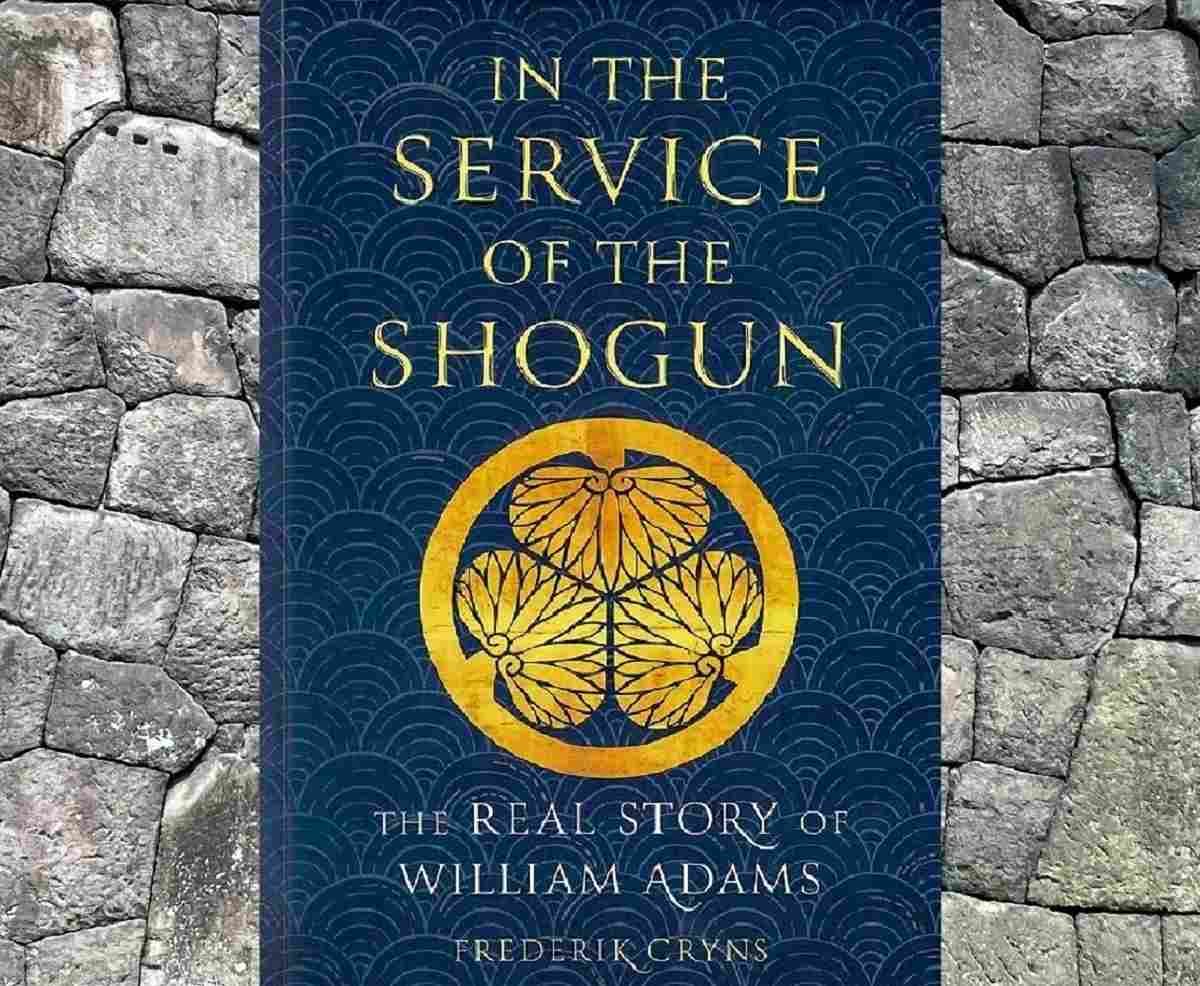
“In the Service of the Shogun” by Frederick Cryns
13:56 JST, July 18, 2024
“We’ve endured pestilence, known starvation, chewed the calfskin that covers the ropes. We should be corpses by now.”
In the first episode of the TV series “Shogun,” based on the James Clavell novel, English seaman John Blackthorne speaks these words to his Dutch crewmates in the year 1600, reminding them of the hardships they shared on their journey to Japan. After this humble start, Blackthorne meets a Japanese warlord named Toranaga and gets caught up in a violent struggle for control of the nation.
The TV show’s plot is fiction, but it borrows elements from history. Blackthorne is based on a real person named Will Adams, and Toranaga is modeled on Tokugawa Ieyasu, who moved Japan’s capital to Edo and became the founding shogun of a dynasty that would last until 1867.
Frederik Cryns, a professor at the International Research Center for Japanese Studies in Kyoto, is listed in the show’s credits as a historical adviser. Cryns recently published a nonfiction biography of Adams, titled “In the Service of the Shogun,” for those who would like to know more about what really happened.
Here’s a taste: The famished sailors really did eat the cowhide covers of their ship’s ropes. While rounding the tip of South America, passing from the Atlantic to the Pacific, they also ate penguins. When one sailor got desperate enough to steal bread from the ship’s stores, he was hanged. It was a brutal journey.
Of a five-ship fleet that set out from the Netherlands, Cryns tells us, only one undermanned vessel limped to shore in Japan. Among those who died along the way was Thomas Adams, Will’s brother.
But when Adams met Ieyasu, the change in his fortunes could not have been more complete. Ieyasu took a liking to the Englishman, and placed him among the ranks of Japan’s elite by giving him the status of hatamoto, meaning direct retainer to the shogun. Adams wound up owning several homes, including one whose location is marked by a small monument in Nihonbashi, Tokyo, today.
Eventually, Adams became Ieyasu’s interpreter in negotiations with various European visitors. While the Tokugawa shogunate is now remembered in part for its sakoku policy of national isolation, shutting Japan’s borders was largely the work of Ieyasu’s successors. Cryns depicts Ieyasu himself as an internationally minded leader who thought extensive international trade would be good for Japan.
For example, he hoped that Spain would establish a trading route between the Philippines and Mexico with a stop in Japan. He authorized Adams to go on several trading voyages to Southeast Asia and back. And he was unhappy that Portugal held a virtual monopoly on Japan’s importation of silk from China, believing that more competition would have the benefit of lowering the cost of silk in Japan.
The silk issue is briefly touched upon in the TV show, which features appearances by a large Portuguese ship that made annual trading runs between Japan and Macao. Not included in the show, but described in the book, is an incident in which Ieyasu summoned the captain of that ship to demand an explanation of an incident in which some Japanese who sailed to Macao had died there. The captain refused to appear, enraging Ieyasu and eventually leading to a battle in which the Portuguese ship was sunk.
Writing in a clear, straightforward style, Cryns tells a fascinating story. Watching “Shogun” and reading “In the Service of the Shogun” proves that truth can follow storylines every bit as surprising as fiction.
In the Service of the Shogun
- By Frederick Cryns
- Reaktion Books, 232pp, £16





Most Read
Most read in the last 24 hours
-

Stepfather Reportedly Admits to Killing 11-Year-Old Boy Who Went ...
-

Dead Boy's Stepfather Confessed to Killing, Police Say; Victim's ...
-

S&P 500, Nasdaq Push to Closing Records on Optimism around Middle...
-

Japan’s Coffee Bean Production Looks to Northern Areas to Expand ...
-

4 Injured as Pipe Bursts at Semiconductor-Related Company’s Facto...
-

Osaka Tax Official Leaks Data to Scammers Impersonating Police Of...
-

Cherry Blossoms in Full Bloom Across Iwate Prefecture, Bringing S...
-

Sexual Abuse Allegations Are Spurring Calls for a Broader Reckoni...
Most read in the last 7 days
-
Police Find Child's Shoe During Search for Missing Boy in Nantan,...
-
Body Found in Nantan, Kyoto Prefecture, During Search for 11-Year...
-

Japanese Prime Minister Takaichi Speaks to Pakistani Prime Minist...
-

Kyoto Police Arrests Father of 11-Year-Old Boy on Suspicion of Ab...
-

Body Found in Kyoto Pref. Forest Confirmed to Be Missing 11-Year-...
-
Strong Typhoon Sinlaku Heading Toward Tokyo's Ogasawara Islands
-

No Clear Plan for Expo Site 6 Months After Close; Delays, Unpaid ...
-
Stepfather Reportedly Admits to Killing 11-Year-Old Boy Who Went ...
Most read in the last 30 days
-
Mathematician Heisuke Hironaka, Winner of Fields Medal, Dies at 9...
-
Police Find Child's Shoe During Search for Missing Boy in Nantan,...
-
Body Found in Nantan, Kyoto Prefecture, During Search for 11-Year...
-

Cherry Blossoms, Rapeseed Flowers Perform Colorful ‘Duet’ in Niig...
-

New Bird Species Confirmed in Japan for 1st Time in 45 Years, Fou...
-

Nori Prices Surge in Japan Due to Poor Seaweed Production Amid Ri...
-

Earthquake Jolts Kansai Region, Recording Magnitude 4.2, Japanese...
-

Cherry Blossoms in Full Bloom Draw Crowds in Sendai, Miyagi Pref....
Top Articles in Culture
-

Kyoto Native Indigo Dyeing Artisan Wins Top Prize at Traditional Craft Contest for Work Made Using Local Resources
-

Japanese Anime ‘Precure’ Takes on Detective Genre in 23rd Series, Solving Mysterious Cases
-
Kabuki Actor Nakamura Takanosuke Looking Forward to Seeing Audiences’ Reactions in Europe in His First Overseas Performances
-
Potter in Japan Concerned That Iran War Is Destroying Persian Culture
-

More a Flower Than a Flower: Manga Featuring the World of Noh Concludes
JN ACCESS RANKING
-
Police Find Child’s Shoe During Search for Missing Boy in Nantan, Kyoto Prefecture
-
Body Found in Nantan, Kyoto Prefecture, During Search for 11-Year-Old Boy in Area (Update 1)
-
Cherry Blossoms, Rapeseed Flowers Perform Colorful ‘Duet’ in Niigata
-
New Bird Species Confirmed in Japan for 1st Time in 45 Years, Found on Tokara Islands in Kagoshima Pref.
-
Nori Prices Surge in Japan Due to Poor Seaweed Production Amid Rising Sea Temps; Price of Onigiri Rice Balls Also Impacted
Most read in the last 24 hours
-
Stepfather Reportedly Admits to Killing 11-Year-Old Boy Who Went ...
-
Dead Boy's Stepfather Confessed to Killing, Police Say; Victim's ...
-
S&P 500, Nasdaq Push to Closing Records on Optimism around Middle...
-
Japan’s Coffee Bean Production Looks to Northern Areas to Expand ...
-
4 Injured as Pipe Bursts at Semiconductor-Related Company’s Facto...
Most read in the last 7 days
-
Police Find Child's Shoe During Search for Missing Boy in Nantan,...
-
Body Found in Nantan, Kyoto Prefecture, During Search for 11-Year...
-
Japanese Prime Minister Takaichi Speaks to Pakistani Prime Minist...
-
Kyoto Police Arrests Father of 11-Year-Old Boy on Suspicion of Ab...
-
Body Found in Kyoto Pref. Forest Confirmed to Be Missing 11-Year-...
Most read in the last 30 days
-
Mathematician Heisuke Hironaka, Winner of Fields Medal, Dies at 9...
-
Police Find Child's Shoe During Search for Missing Boy in Nantan,...
-
Body Found in Nantan, Kyoto Prefecture, During Search for 11-Year...
-
Cherry Blossoms, Rapeseed Flowers Perform Colorful ‘Duet’ in Niig...
-
New Bird Species Confirmed in Japan for 1st Time in 45 Years, Fou...